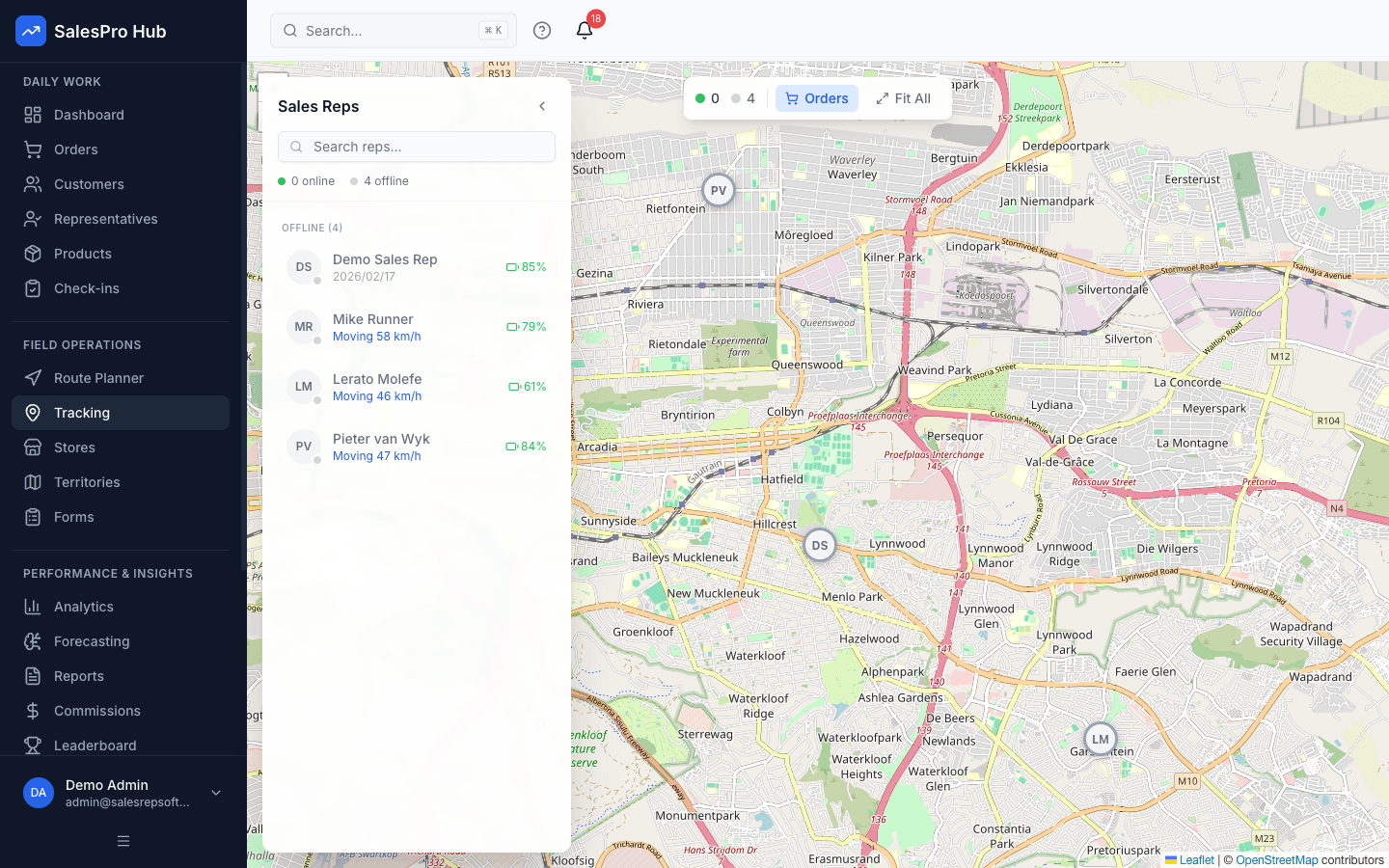
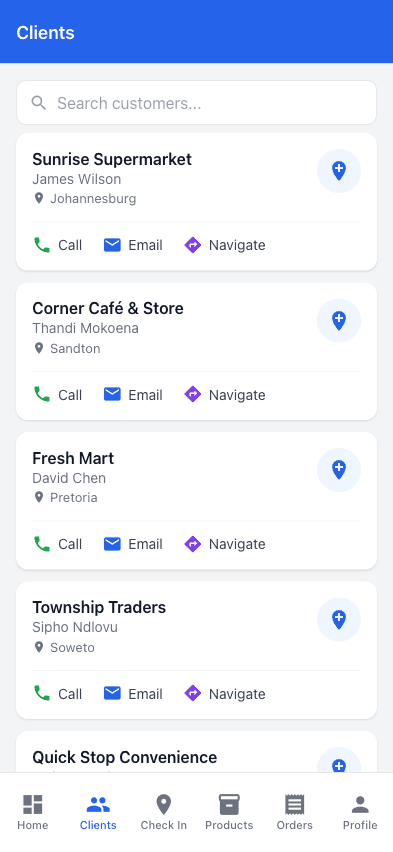
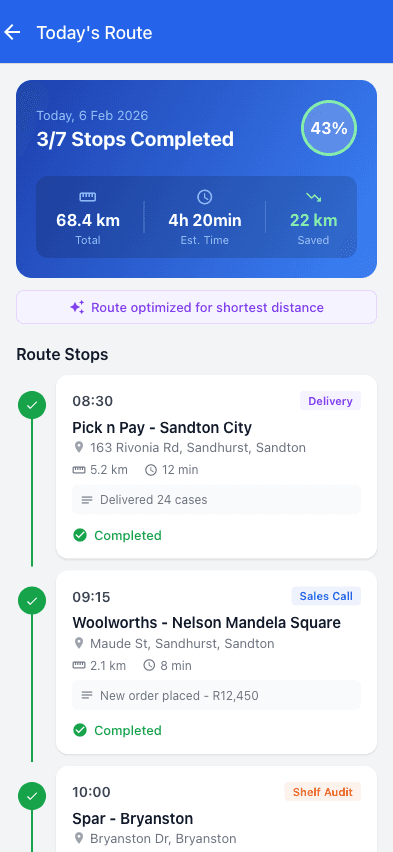
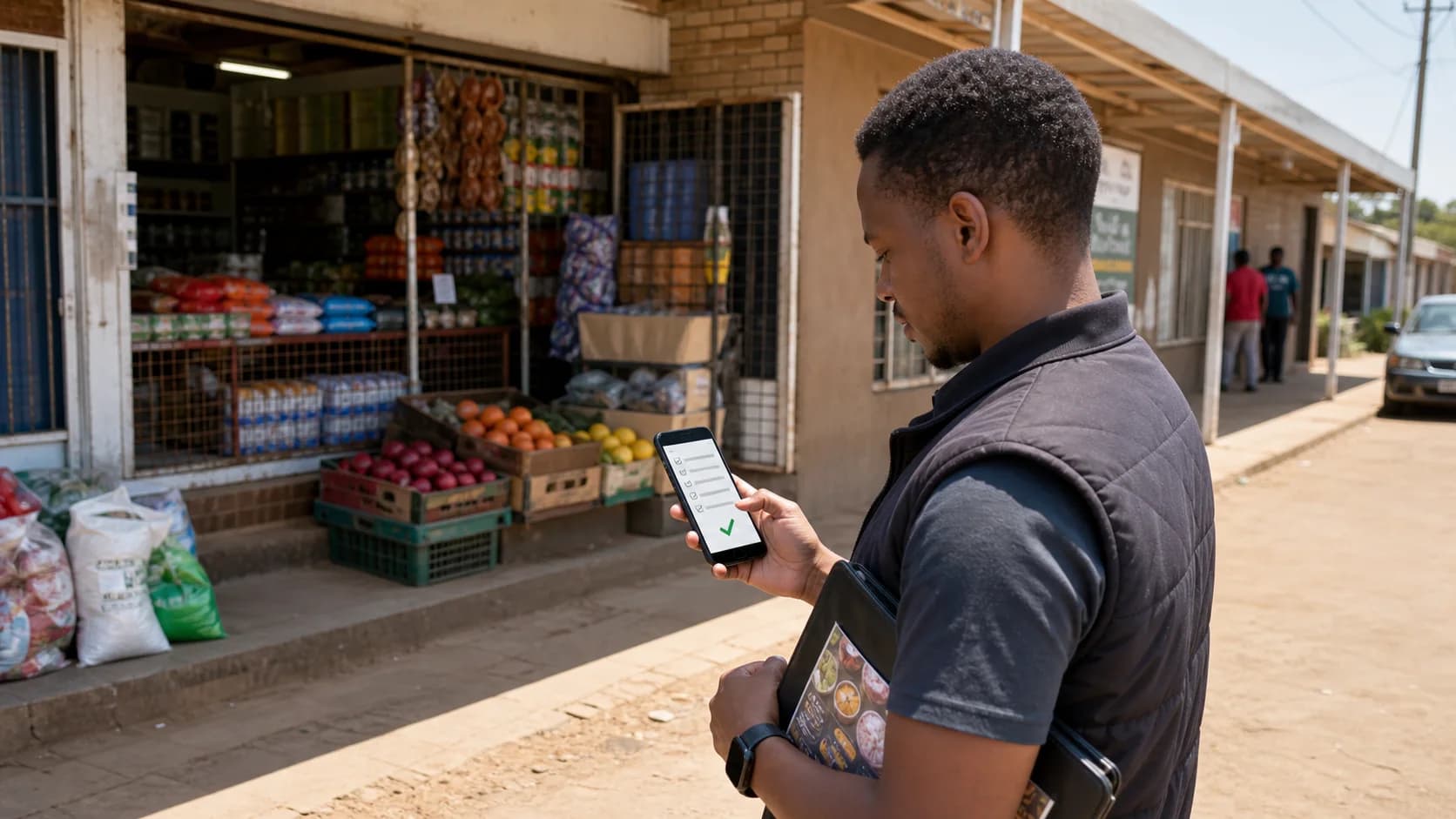
Sales tracking software is a broad phrase. Buyers may expect lead and opportunity pipelines, communication history, forecasts, orders, revenue, customer activity and management reporting. Field sales tracking focuses on assigned representatives, customer visits, territory coverage, routes, mobile activity, outcomes and follow-up.
SalesPro Hub should be evaluated for the field-sales interpretation. Location and check-in records can support route, attendance-at-location and visit context under an appropriate policy; they do not prove a buyer meeting, conversation quality, order, employee intent or a complete CRM pipeline. The broader sales-tracking owner remains capability-gated until the full category boundary can be demonstrated honestly.
Before comparing products, write a tracking data dictionary covering customer, user, territory, opportunity, visit, order, outcome and next action. State which records are mandatory, how long they remain useful and who may see them. This turns a vague request for “real-time tracking” into a proportionate operating requirement. It also reveals whether the missing capability belongs in field software, CRM, accounting, route planning or a management process rather than encouraging one product to become an ungoverned copy of every system. Define what users see when a device is offline, permission is unavailable or the latest customer assignment has not synced. Transparent uncertainty is more trustworthy than a map that appears exact while hiding stale or incomplete evidence.